


BRC News
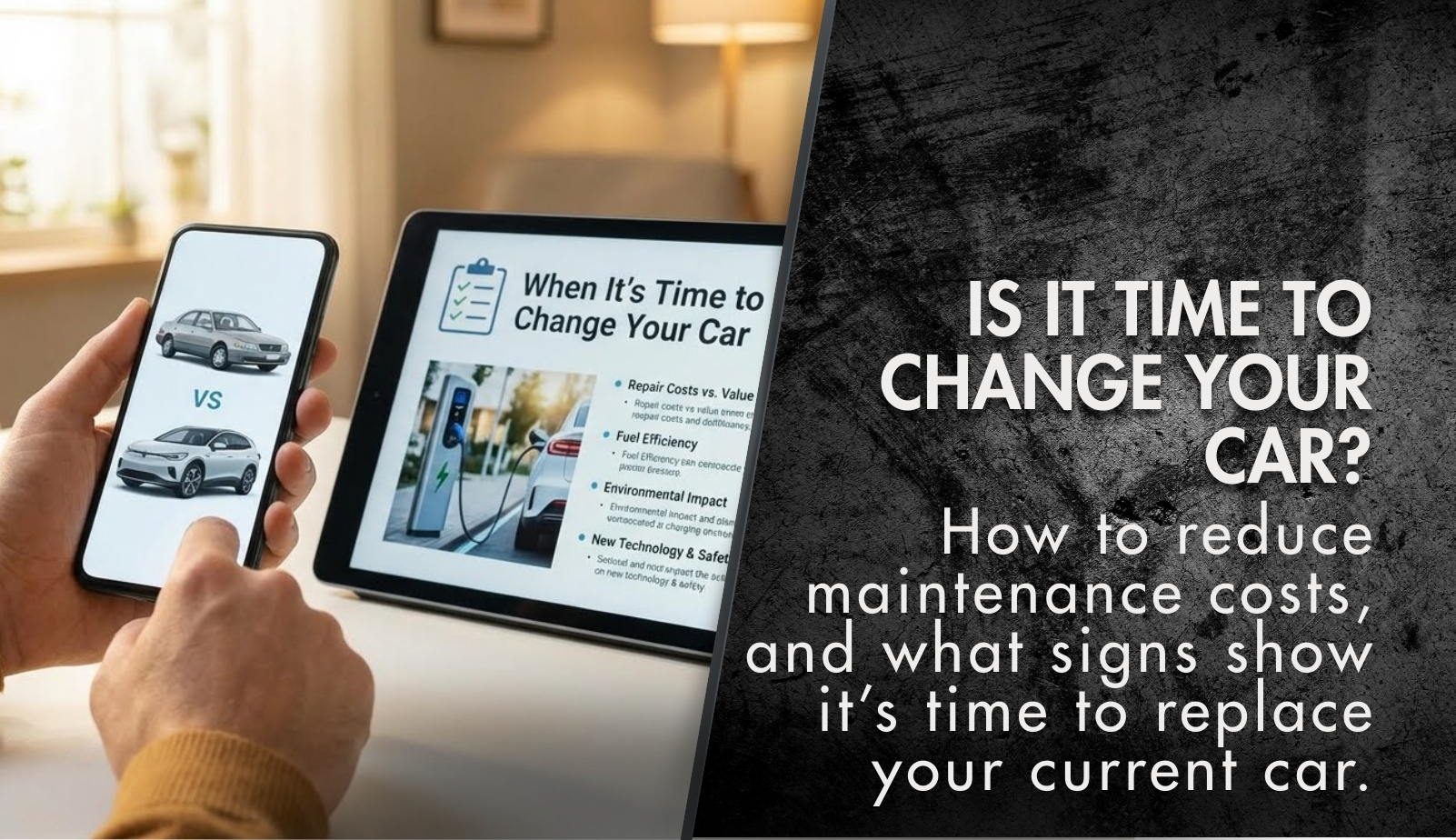
New Car or Electric Vehicle? When Upgrading Makes Financial Sense
Published: 2025-12-04
How to Choose Winter Tyres: A Complete Guide to Safe Winter Driving
Winter tyres are specially designed for cold-season driving. They are made from a softer rubber compound that remains flexible even at low temperatures. Unlike summer tyres, they provide better traction on snow, ice, and slush — ensuring safer driving and shorter braking distances.
The Rubber Compound of Winter Tyres
The rubber composition of winter tyres is enriched with silica compounds that allow the tyre to perform effectively even at temperatures as low as –30°C. This ensures that winter tyres do not harden in cold conditions and maintain excellent grip on uneven and slippery surfaces.
They also respond more precisely to road conditions, helping the driver maintain better control of the vehicle.
The Importance of Tread Pattern for Snow and Ice
The tread pattern is one of the most crucial elements of a winter tyre. A system of deep grooves and sipes helps effectively remove snow and water from the tyre surface, reducing the risk of skidding or hydroplaning.
The more intricate the tread pattern, the better the grip on icy or slushy roads.
Why Are Winter Tyres Essential in Baltic Weather Conditions?
The Baltic region is known for unpredictable winter weather — frequent temperature changes, moisture, ice, and snow. That’s why winter tyres are not just recommended, they are essential for every driver who values safety.
Winter Driving Conditions in Lithuania and Latvia
Every year, hundreds of traffic incidents occur due to improper or worn-out tyres. Slippery roads, uncleared streets, and sudden weather changes make high-quality winter tyres a crucial safety measure.
When Are Winter Tyres Required by Law?
According to Lithuanian law, winter tyres are mandatory from November 10 to April 1. The minimum tread depth must be at least 3 mm, although experts recommend 4–5 mm for optimal safety.
How to Choose the Right Winter Tyres
When selecting winter tyres, it is important to consider your vehicle type, driving style, and local climate conditions.
Studded vs. Non-Studded Tyres
| Type | Advantages | Disadvantages |
|---|---|---|
| Studded | Better grip on ice, shorter braking distance | Louder, not allowed in some countries |
| Non-studded (friction) | Quieter, lower fuel consumption | Slightly weaker grip on pure ice |
How to Read Tyre Markings
Each tyre’s sidewall contains markings such as 205/55 R16 94H. Here’s what they mean:
- 205 – tyre width in millimetres
- 55 – aspect ratio (height to width)
- R16 – rim diameter in inches
- 94H – load and speed index
Winter tyres are also marked with the 3PMSF snowflake symbol and a mountain icon, certifying them for severe winter conditions.
Most Popular Winter Tyre Brands
- Nokian Tyres – designed for extreme cold conditions
- Michelin – durable, fuel-efficient tyres
- Continental – excellent grip and short braking distances
- Goodyear – innovative tread designs and driving comfort
Winter Tyre Maintenance – How to Extend Their Lifespan
Properly maintained winter tyres can last up to 5–6 seasons without losing performance.
How to Store Tyres in Summer
- Clean off dirt, salt, and sand
- Store vertically (without rims) or horizontally (with rims)
- Keep in a cool, dark place
- Avoid heat sources and direct sunlight
When to Replace Winter Tyres
Replace winter tyres when tread depth drops below 4 mm or if cracks, uneven wear, or signs of aging appear. Even if tyres look fine, replacement is recommended after 6 years.
Economic and Environmental Benefits
How Proper Tyres Save Fuel
Correctly inflated and balanced tyres reduce rolling resistance, saving up to 0.3–0.5 litres of fuel per 100 km.
Environmental Impact
Many manufacturers use recycled materials and eco-friendly compounds. For example, Michelin aims to produce tyres from 100% sustainable materials by 2050.
Common Mistakes Drivers Make
- Changing tyres too late
- Mixing different tyre types
- Incorrect tyre pressure
- Improper storage
Book Your Tyre Change Appointment
Vilnius: +370 685 39 345
Klaipėda: +370 650 54 084
Online booking: https://lt.brcauto.eu/registracija-i-autoservisa
FAQ – Frequently Asked Questions
When should I switch to winter tyres?
Winter tyres are mandatory from November 10 to April 1, but switching is recommended below +7°C.
Studded or non-studded tyres?
Studded tyres perform better on ice, while non-studded are quieter and more efficient.
Can winter tyres be used in summer?
Not recommended — the rubber wears faster and fuel consumption increases.
How long are winter tyres safe?
Up to 6 years if stored and maintained correctly.
Do winter tyres fit all cars?
No — correct size, load index, and speed rating are essential.
Conclusion: Why It Pays to Invest in Quality Winter Tyres
High-quality winter tyres are not a luxury but a necessity. They ensure shorter braking distances, improve control on icy roads, reduce accident risk, and save money in the long term.
Source: Lithuanian Transport Safety Administration
BRC Autocenter – All car services in one place!


